
Can You Drink Tap Water in Bali? The Practical Safety Guide
Published
Can you drink tap water in Bali? Get a practical, source-checked guide to bottled water, filters, ice, brushing teeth and illness prevention.
No: visitors should not drink untreated tap water in Bali. Use factory-sealed bottled water, water supplied by an accommodation that can explain how it is treated, or water you have treated with a reliable method. The UK Foreign, Commonwealth & Development Office states plainly that tap water is not safe to drink in Indonesia, while the US State Department warns that tap water is unsafe in many parts of the country (FCDO health guidance; US State Department Indonesia advisory).
That direct answer is the useful starting point. The more complicated questions are what “safe water” means at a villa or hotel, whether ice is acceptable, how to brush your teeth, and what to do when sealed bottles are not available. This guide separates confirmed public-health advice from conservative travel habits so you can make practical choices without treating every glass of water as an emergency.
Why Bali tap water is a poor drinking choice
The risk is not that every tap on the island produces visibly dirty water. Water can look, smell and taste normal while still carrying organisms that cause illness. The US Centers for Disease Control and Prevention notes that contaminated food or drinks can cause travellers’ diarrhoea and other diseases, and that standards for food and water vary by destination (CDC Indonesia traveller view; CDC food and water precautions).
Bali also has many different water arrangements: municipal supply, wells, storage tanks, refill systems and building-level filtration. A general statement from a host such as “we have a filter” does not tell you the filter type, maintenance schedule or whether treated water can be contaminated later in a tank or pipe. The World Health Organization explains that drinking-water safety depends on managing risks from the source through treatment, storage and delivery, not simply on one device at one point in the system (WHO drinking-water guidance FAQ).
Confirmed fact: official travel advice says not to drink Indonesian tap water untreated. Practical inference: because treatment and maintenance differ from property to property, do not assume an attractive villa, expensive hotel or clear-looking glass makes tap water potable.
What water should you drink instead?
Your simplest options are:
- Factory-sealed bottled water. Check that the cap ring is intact before drinking. Store bottles out of direct heat where possible.
- Clearly identified drinking-water dispensers. Ask the accommodation whether the water comes from sealed commercial containers or from an on-site treatment system, and how that system is maintained.
- Water treated with a method appropriate to the risk. Boiling is a strong option against infectious organisms when done correctly. A suitable purifier may also work, but a generic taste or sediment filter should not automatically be treated as a purifier.
WHO’s traveller guidance says boiling is effective at killing disease-causing microorganisms. It also distinguishes treatment technologies and notes that no single household product should be assumed to remove every type of contaminant (WHO safe drinking water for travellers; WHO household water-treatment evaluation). In plain language: boiling helps with microbes, but it does not magically remove every dissolved chemical. Follow the manufacturer’s instructions for any purifier and understand what it is certified to reduce.
For most short-stay travellers, sealed bottled or reliably supplied dispenser water is easier than attempting to audit a villa’s plumbing. For a long stay, a properly specified purifier can reduce plastic use, but ask for the model, treatment stages and maintenance record rather than relying on the word “filtered.”
Is ice safe in Bali?
Ice is not automatically unsafe, and it is not automatically safe. The relevant question is what water was used and how the ice was handled. CDC recommends avoiding ice where the safety of the water is uncertain (CDC food and water precautions).
At an established hotel, restaurant or café, ask whether the ice is made from treated or commercially supplied water. Packaged ice from a controlled supplier is different from ice made from an unknown tap in an informal setting. If staff cannot answer, the conservative choice is a sealed drink without ice.
Do not use the shape of an ice cube as a guarantee. Hollow, cylindrical or uniform ice may suggest machine production, but appearance cannot verify the source water, storage or handling. Treat a clear answer from the venue and your own risk tolerance as more useful than an internet rule about cube shape.
Can you brush your teeth with tap water?
Official sources give the broad instruction not to drink the water; they do not establish a Bali-wide rule for every moment of tooth-brushing. The low-effort, conservative option is to brush and rinse with safe drinking water, especially for children, people with reduced immunity, or anyone who tends to swallow water while brushing.
If you use tap water, avoid swallowing it and keep drinking water beside the sink. This is a risk-reduction choice, not a claim that a single accidental mouthful will necessarily make you ill. Public-health risk is about exposure and probability, not certainty.
Use safe water for other activities where water will be swallowed or enter food without further cooking: mixing infant formula, taking tablets, making ice, washing a mouthguard, and preparing cold drinks. For washing intact skin, showering or laundering clothes, ordinary tap water is generally a different exposure because you are not consuming it. Anyone with a wound or a medical vulnerability should follow advice from their clinician.
What about fruit, salad and street food?
Water safety is only one part of food safety. CDC advises travellers to favour food that is cooked and served hot, avoid raw foods that cannot be peeled or washed safely, and be cautious with food kept at unsafe temperatures (CDC food and water precautions).
You do not need to avoid all fresh produce in Bali. A more useful decision is to look at the whole operation: turnover, cleanliness, cold storage, whether food is cooked to order and whether staff can explain how produce is washed. Fruit you peel yourself gives you more control. A busy stall can still make mistakes, and an upscale venue is not immune, so price alone is not a safety test.
At your accommodation, wash produce with known-safe water when it will be eaten raw. Do not assume a quick rinse with untreated tap water has made it safer. If you cannot verify the water, choose produce that can be peeled or cooked.
A simple water routine for your first day
After check-in, make this a two-minute task:
- Identify the drinking-water source and ask whether it is sealed supply or treated on site.
- Put safe water beside the bathroom sink for brushing teeth.
- Check the seal on any refillable bottle provided in the room, or ask how it is cleaned and filled.
- Ask before using a kettle: boiling helps only if the appliance reaches a full boil and is clean.
- Keep a sealed bottle for late arrivals, road trips and medicine.
When leaving the main visitor areas, carry more water than you expect to need. Heat and physical activity increase fluid needs, while reliable shops may be less frequent. Do not wait for severe thirst before drinking.
If you accidentally drink tap water
Do not panic. Exposure does not guarantee illness. Stop using the water for drinking, switch to a safe source and monitor how you feel. Maintain hydration if you develop diarrhoea, and use oral rehydration solution prepared with safe water when appropriate.
Seek medical advice promptly for severe dehydration, blood in stool, persistent vomiting, high fever, severe abdominal pain, or symptoms that are worsening or not resolving. CDC’s Indonesia page advises travellers to plan how they will obtain health care abroad and to seek professional help when illness is significant (CDC Indonesia traveller view). Infants, older adults, pregnant travellers and people with underlying conditions should use a lower threshold for contacting a clinician.
Avoid taking antibiotics “just in case” without medical advice. The right treatment depends on the cause and severity, and unnecessary antibiotics can cause harm.
Is a reusable bottle practical in Bali?
Yes, if you fill it only from a source you trust and clean it properly. A reusable bottle does not make unsafe water safe; it is simply a container. Let the bottle dry when possible, wash the cap and mouthpiece, and avoid topping up old water indefinitely.
For a long stay, ask whether your accommodation participates in a reputable refill programme or uses a maintained purification system. WHO’s household-treatment programme evaluates technologies by what they can actually remove, which is a better standard than marketing phrases such as “natural,” “mineral” or “seven-stage” (WHO household water-treatment evaluation).
The practical bottom line
Do not drink untreated tap water in Bali. Choose sealed bottled water, a transparent and maintained drinking-water supply, or properly treated water. Ask about ice rather than guessing, use safe water for brushing if you want the conservative option, and pay attention to food handling as well as the tap.
The key distinction is simple: official guidance confirms that untreated tap water should not be your drinking source; the exact safety of a hotel dispenser, restaurant ice machine or villa purifier depends on that specific system. When the system cannot be explained, choose the option you can verify.
Frequently Asked Questions about Can You Drink Tap Water in Bali? The Practical Safety Guide
Curated for readers of this article
This selection uses the article headings, text and area.
Restaurants
Hujan Locale in Ubud, Bali — A modern Indonesian restaurant by Will Meyrick that draws on street-food traditions and regional recipes from across the archipelago.
📍 Jl. Pantai Batu Bolong, Canggu, Kec. Kuta Utara, Kabupaten Badung, Bali 80351, Indonesia 📍 Jl. Pantai Batu Bolong, Canggu, Bali, 80351, ID https://www.google.com/maps/search/?api=1&query=Jl.%20Pantai%20Batu%20Bolong%2C%20Canggu%2C%20Bali%2C%2080351%2C%20ID Zai Cafe in Canggu serves modern Mediterranean and Middle Eastern cuisine from breakfast to dinner in an enchanting atmosphere with cozy decor and soothing tunes on Jl. Pantai Batu Bolong, Bali. Dine-in, kerbside pickup, and no-contact delivery are available. YouTube: https://www.youtube.com/@ZaiCafe-canggu
Locavore NXT in Ubud, Bali — A hyper-local restaurant and research hub where Indonesian ingredients, fermentation, foraging and a rooftop food forest shape a long-form tasting menu.
Cuca Restaurant in Jimbaran, Bali — A playful Jimbaran dining destination known for globally inspired tapas, locally sourced ingredients, creative cocktails and chef-led tasting menus.
Hotels
—
Places & areas
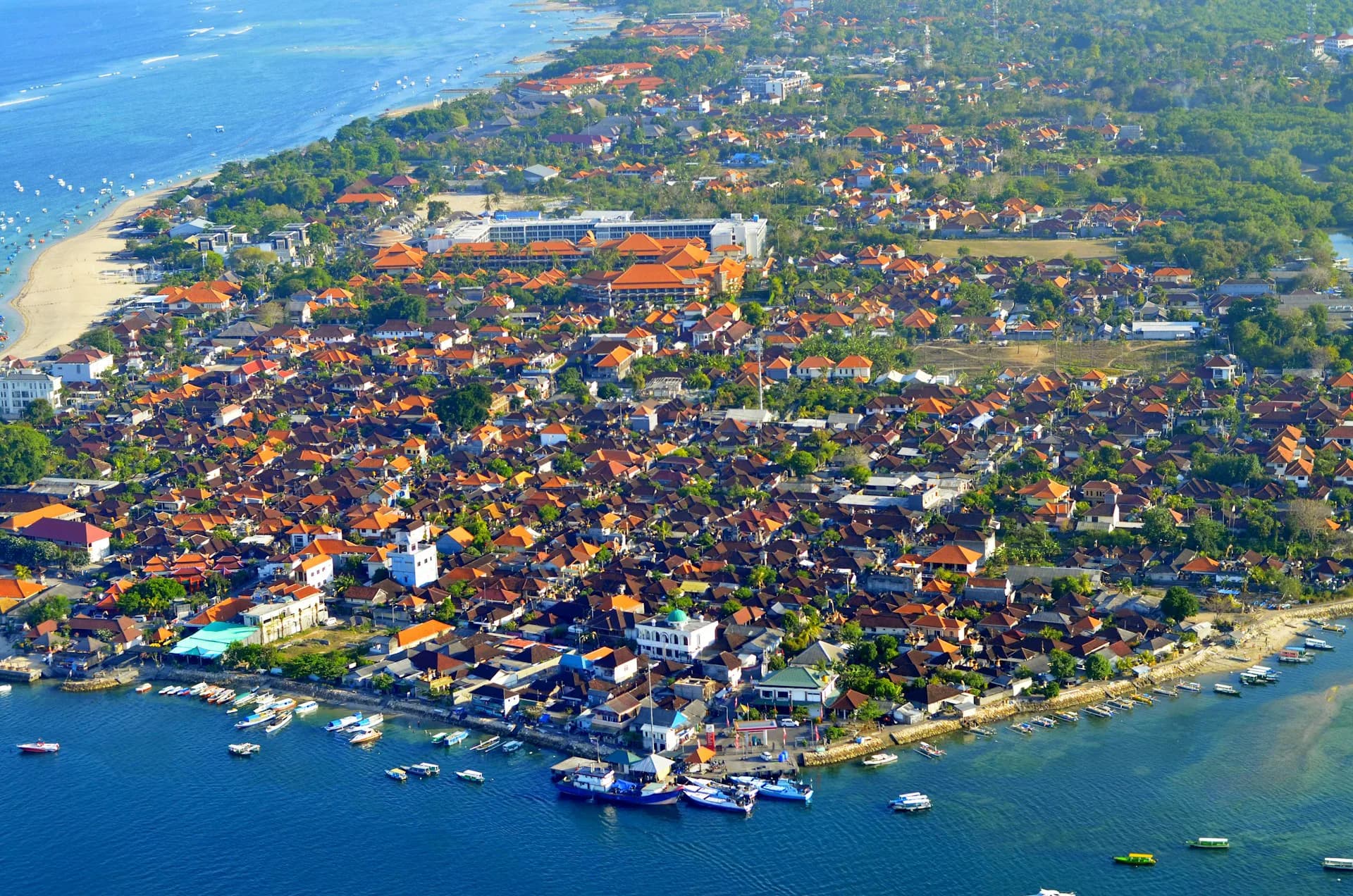
Planning a trip to Nusa Dua? This complete area guide helps you choose the best place to stay based on your travel style, whether you're looking for a luxurious beachfront resort, a family-friendly escape, or a peaceful retreat. Explore the top neighborhoods in Nusa Dua, discover what makes each area unique, and find expert recommendations to make your Bali vacation unforgettable. For more travel insights and accommodation recommendations, visit Tavilo.io.
Also read
25 Best Things to Do in Bali in 2026: Attractions, Beaches & Experiences
Discover 25 of the best things to do in Bali in 2026, from Ubud’s rice terraces and sacred temples to Uluwatu sunsets, surfing in Canggu, Mount Batur, waterfalls, beaches and Nusa Penida. Use this guide to plan a Bali itinerary that fits your travel style without wasting time crossing the island.
Seminyak Travel Guide: Luxury Shopping, Dining & Beach Clubs
Plan a stylish Seminyak stay with the best areas for luxury shopping, dining, beach clubs, sunset, spas, hotels and practical Bali travel tips.
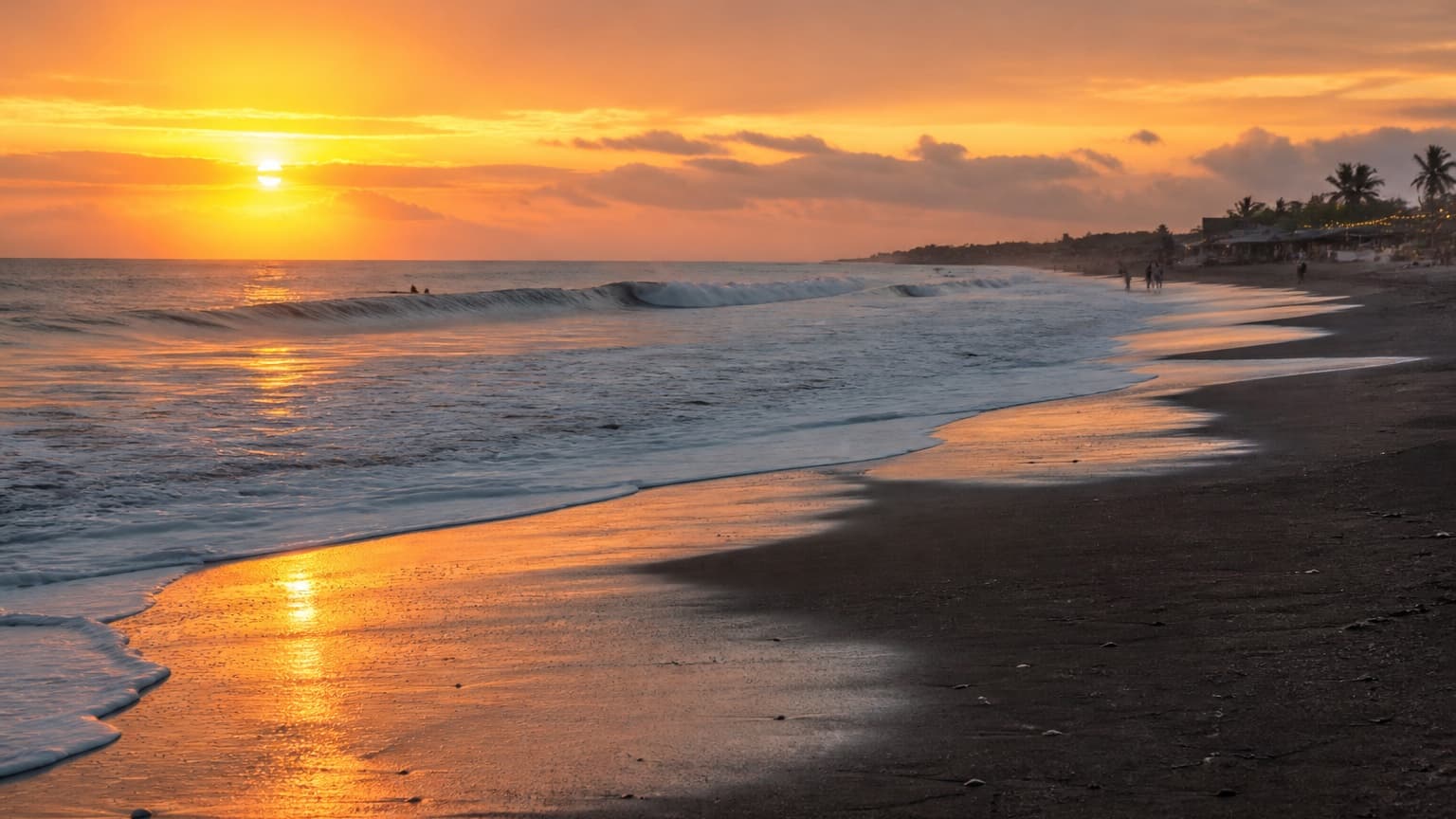
Canggu Travel Guide: Every Beach in & Around Canggu
Canggu isn't a destination you visit for one perfect tropical beach. Its coastline is a long stretch of dark volcanic sand, surf breaks, sunset spots, beach clubs and quieter local beaches.
Read next
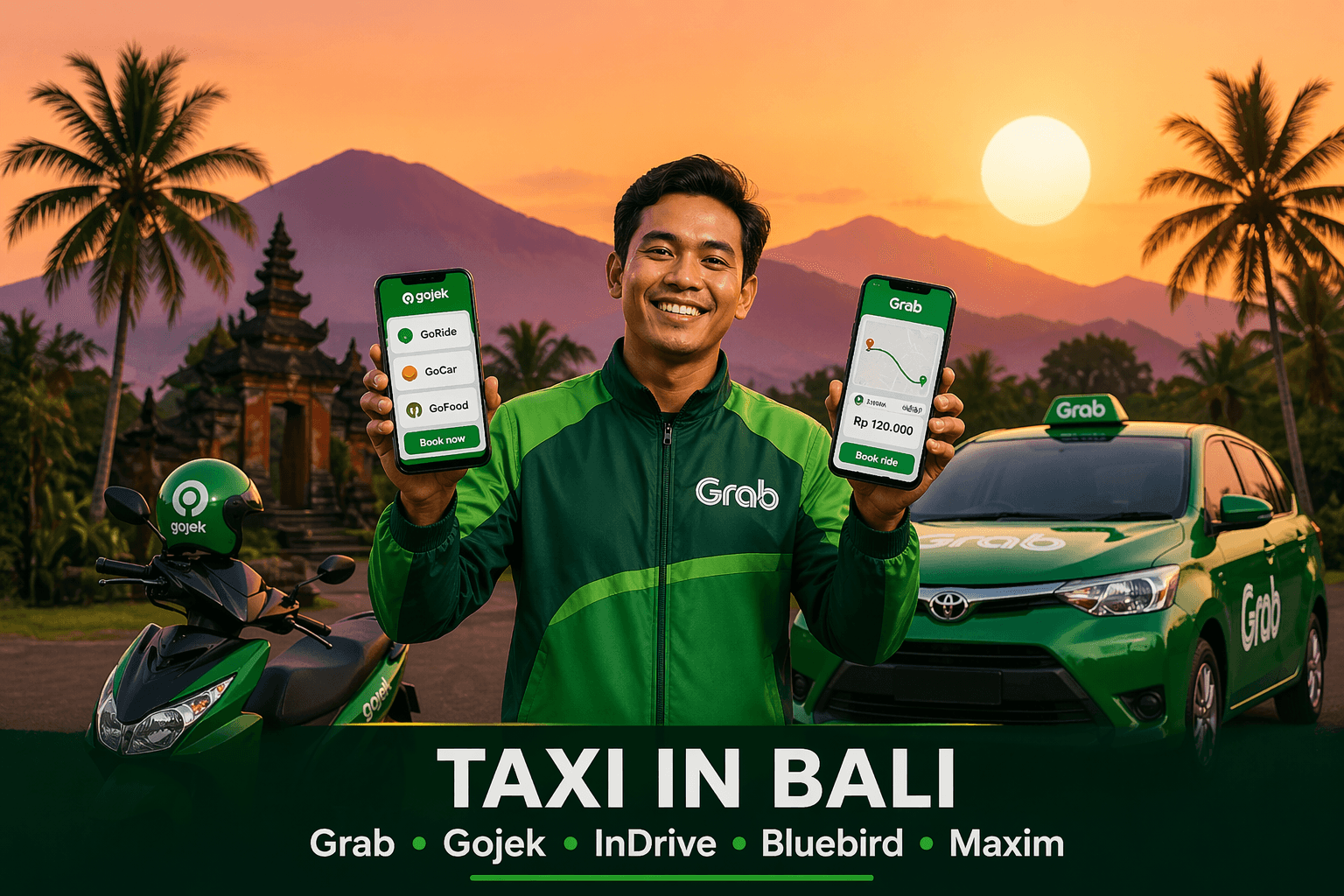
Complete 2026 tourist guide: how to get a taxi in Bali, why Uber doesn't work, which app to use (Grab, Gojek, InDrive), real prices from the airport, scams to avoid, and payment tips for foreigners.
View →